Live Blackjack Online in UK Casinos: How It Works
 Available in GB
The guide explains hand totals, dealer comparison and how streamed play differs from a digital-only game.

- How Live Blackjack Works at the Table
- The Rules, and What Free Play Does Not Prove
- How to Play—and What a Winning System Cannot Change
- Live Blackjack Games: Physical Cards, Side Bets and Bet-Behind
- What a Live Dealer Changes
- Choosing a Blackjack Casino: Limits Before Labels
- Blackjack Casino Sites: Licensing and the Live Setup
- Playing Online: Pace, Connection and Table Conditions
- Blackjack Bonuses: Wagering Weighting Before the Headline
- Casinos with Blackjack: Confirm the Live Table Is Available
How Live Blackjack Works at the Table
Live blackjack combines a familiar card-game objective with a table shown on a real-time video stream. A human dealer appears on screen, while the game’s interface provides the way to participate. The central aim is to finish with a hand closer to 21 points than the dealer’s, without exceeding 21. Going over means the hand has missed that target, even if its total was high.
That objective gives each hand a clear reference point. The player’s total is not judged in isolation: it is compared with the dealer’s, and the ceiling of 21 matters as much as the goal of reaching it. A total below 21 may still be beaten by the dealer; a total above 21 has gone past the limit. Blackjack is therefore a contest of relative totals under a fixed boundary, not simply a race to collect the largest number.
In an online casino, the live table is presented through streamed footage rather than generated as a digital-only game. The dealer is visible as events unfold, making the table itself part of the experience. Interaction with the dealer is possible through the live format, while participation takes place through the game interface. The screen combines those two elements: a human-led table and controls for the player.
When choosing a UK live blackjack casino, it helps to consider practical details alongside the table experience. The available information here focuses on stated payout speed.
Payout speed: 1-3 business days Britsino lists a payout speed of 1–3 business days. This gives you a stated timeframe to consider when reviewing the operator.
Payout speed: 1-3 business days NightLuck lists payouts as taking 1–3 business days. That is the available practical detail for this verdict.
Payout speed: 1-3 business days Chanze lists a payout speed of 1–3 business days. Keep this stated timeframe in mind when assessing the operator.
Payout speed: 1-3 business days SpinFormula lists payouts as taking 1–3 business days. This is the available information about its payout timing.
Payout speed: 1-3 business days Amunbet lists a payout speed of 1–3 business days. This provides a stated timeframe to consider.
Payout speed: 1-3 business days Zombillion lists payouts as taking 1–3 business days. No other operator details are available for this verdict.
Payout speed: 1-3 business days WinBeast lists a payout speed of 1–3 business days. This is the known detail relevant to payment timing.
Payout speed: 1-3 business days BeOnBet lists payouts as taking 1–3 business days. Use this stated timeframe as one practical point of reference.
Payout speed: 1-3 business days EvoSpin lists a payout speed of 1–3 business days. This is the available information about its payout timing.
Payout speed: 1-3 business days Jetsetspins lists payouts as taking 1–3 business days. This stated timeframe is the only supplied detail to highlight.
This differs from playing against a fully digital version in presentation. The live stream shows a person dealing and running the table in real time; the interface carries the player’s participation. The objective remains the same either way: beat the dealer without taking the hand beyond 21. The stream does not alter that calculation, but it makes the dealer a visible part of the game rather than an unseen system.
For anyone comparing a blackjack casino with other online casino options, the defining feature is not the label attached to the site. It is whether the game is offered as a live table, with a human dealer appearing in real time, or as a digital version. The phrase “live blackjack online casino UK” describes the format and setting, but the hand itself still turns on the same simple comparison: the player’s total against the dealer’s, with 21 as the upper boundary.
This basic structure is enough to understand what the table is trying to resolve. Each hand has a target, an opponent and a limit that cannot be crossed. The stream supplies the live setting; the blackjack objective supplies the measure of success. A hand only wins by beating the dealer while staying within that boundary.
The Rules, and What Free Play Does Not Prove
The central rule is simple to state: a blackjack hand aims to beat the dealer’s by reaching a total of 21 points, or getting closer to 21, without going over. That objective explains the game’s name and gives the table rules their context. It does not, by itself, describe every condition attached to a particular table.

The displayed rules matter because details can differ between games. Before a hand begins, the table information should be read alongside its paytable, so the conditions for play and any listed returns are clear. A familiar title is not a substitute for checking those terms. The name “blackjack” identifies the game, not a complete set of rules for every version.
This distinction also applies to free play. A practice mode can help show how a table presents its rules and how its controls are arranged. It can familiarise a player with the objective and the information shown on screen. Those are practical uses; they are not evidence of what real-money play will produce.
A free-play balance is not a cash balance, and results in that mode do not establish that the same sequence will recur when money is staked. Nor can a favourable practice session demonstrate that a table has an advantage for the player. It records one run through a game, not a promise about later outcomes. Practice can show how the game is presented; it cannot turn chance into a forecast.
That matters when comparing what looks like an easy session with what happens under real-money conditions. The rules may be visible in both modes, but the stakes are not equivalent. A practice result has no cash value, and the ability to continue playing with virtual funds does not establish that a real-money balance would last for the same length of time. Treating the two as interchangeable confuses the demonstration with the financial outcome.
Results from free-play mode are not evidence of real-money outcomes and cannot be used to forecast future wins.
For UK players, “casino blackjack rules” is best understood as a question about the specific table, rather than a universal rule sheet that applies identically everywhere. The objective remains beating the dealer without going over 21. The applicable table conditions and paytable supply the rest. Reading them before play is a basic check, not a prediction method.
Free play is therefore useful as familiarisation, not as proof. It can clarify the layout and let the objective become familiar without risking money. It cannot verify a future win, establish a reliable real-money result or replace the rules displayed for the table being played. The distinction is plain: practice explains the format; it does not settle the financial result.
How to Play—and What a Winning System Cannot Change
At a live blackjack table, the cards are dealt by a human dealer from a standard deck. The game runs in real time: a wager is entered through the on-screen controls, cards are dealt, and the hand proceeds through the choices offered by that table. The interface handles the wager; it does not change the fact that the result depends on the cards dealt.
The objective is to finish closer to 21 than the dealer without going over. That gives each hand a clear immediate aim, but it does not make its outcome predictable. A sound decision can still be followed by an unfavourable result, and a hand that wins does not establish that the same decision will win next time. Those are separate questions: whether a choice made sense under the rules, and whether the cards happened to produce a favourable outcome.

This distinction matters when a staking plan is presented as a way to win casino blackjack. Martingale is the familiar example: after a loss, the stake is increased in an attempt to recover the amount lost when a later hand wins. The arithmetic works only under conditions that a real session cannot guarantee. A sufficiently long run of losses makes the next required stake grow sharply. A finite playing budget cannot support an unlimited progression, and a system cannot make the cards turn favourable on schedule.
Nor does a winning hand erase the risk accumulated to reach it. If the later win does not cover the preceding losses and the current stake, the sequence still ends down. If it does cover them, that result says nothing reliable about the next sequence. The plan changes the size and timing of stakes, not the underlying game. Blackjack retains a house edge, so no staking pattern converts play into a guaranteed profit.
A practical record should therefore separate the hand result from the money committed. A session can contain correct decisions and still lose; it can also produce a short-term gain without proving that a system works. Treating a run of wins as confirmation invites larger stakes, while treating losses as a reason to keep increasing them can make the cost escalate. Neither response alters the house edge.
Before a session, a fixed budget sets a boundary on exposure. Once it is reached, continuing in order to recover losses replaces that boundary with a new, unplanned risk. A staking system is not a reason to extend the session or increase the budget. The terms of the table and the amount at stake remain relevant even when a progression is written down neatly.
Financial Risk
A finite playing budget cannot support an unlimited progression, and staking systems cannot convert play into a guaranteed profit.
The useful question is not how to guarantee a win; there is no guaranteed winning system. It is whether the wager and the possible loss remain acceptable without relying on a future hand to repair the present one. Live blackjack is entertainment, not gambling advice.
Live Blackjack Games: Physical Cards, Side Bets and Bet-Behind
A live blackjack table combines a streamed game with physical cards dealt by a human dealer. The cards come from a standard deck, so the hand is formed from objects handled at the table rather than symbols generated solely on a digital screen. That is a visible difference in presentation; it does not, by itself, change the financial terms of a wager.
The table may also offer side bets alongside the main blackjack hand. These are additional betting options, not a substitute for understanding the main game. Their names, conditions and payouts can vary between tables, and the label alone does not establish how a bet is settled. The relevant information is the table’s rules and paytable: what event qualifies, what the return is for a winning selection, and whether the wager is separate from the main hand.
A side bet can make the table interface look more varied, but each option adds another amount at risk. Its presence is not evidence that the main game has become more favourable. The calculation should therefore include the side wager as a separate cost, rather than treating it as part of the hand without accounting for it. If its terms are unclear, there is no sound basis for including it in a staking plan.

Bet-Behind is another feature that may appear at a live blackjack table. It allows a player to place a wager on a hand being played by someone else, rather than taking a seat and playing that hand directly. The dealer still deals physical cards, but the person placing the Bet-Behind wager is not the player making decisions for the hand. The interface should make clear which hand the wager follows and what conditions apply before any stake is committed.
This distinction matters when comparing blackjack casino games. A table can offer the familiar main game alongside optional bets or Bet-Behind, yet those additions do not provide the same kind of participation. Side bets add separate selections; Bet-Behind attaches a wager to another player’s hand. Neither should be assumed to be available at every live table, and a feature shown in a lobby is not enough to establish its precise terms.
For a UK blackjack casino game, the practical check is the displayed table information before play: confirm the available betting options, read the relevant rules and paytable, and set a budget that includes any optional wagers. The headline game name does not specify the side-bet conditions or whether Bet-Behind is offered. Those details determine what can actually be staked; presentation does not.
These features are optional, not necessary parts of a blackjack hand. Keeping the main wager separate from any additional selection makes the total exposure easier to track. Live blackjack is entertainment, not gambling advice, and neither physical cards nor extra table options remove the possibility of losing the amount staked.
Side bets and Bet-Behind are optional features; they add separate costs and do not change the financial terms of the main blackjack hand.
What a Live Dealer Changes
A live-dealer blackjack table adds a person and a real-time video stream to an online game. Instead of seeing only a digital representation, players can watch a human dealer as the game unfolds. That changes the presentation of the table; it does not change the basic purpose of a hand.
The stream makes the dealer visible throughout play, so attention can move between the game and the person conducting it. For some players, that human presence is the main distinction between live blackjack and a digital version. The experience has a social element, even when no one chooses to speak.
Some live tables also provide chat, which may allow communication with the dealer or other players. It can make the table feel more like a shared activity than a sequence of isolated decisions. The feature is optional in effect: a player can watch without joining a conversation, and the game remains playable without chat.
That separation matters. Conversation belongs to the table’s presentation, not to the blackjack hand itself. Messages do not change the cards or the outcome, and a lively chat should not be treated as evidence about how a hand will resolve. The stream is there to show the live game; it is not an additional source of advantage.
For anyone comparing a live dealer blackjack casino in the UK with a digital table, the practical distinction is therefore straightforward. One offers a human dealer on screen, with possible interaction; the other presents the game digitally. Live tables can feel more personal because the dealer is visible and the activity takes place in real time. That does not make the play more predictable or alter the terms of the game.
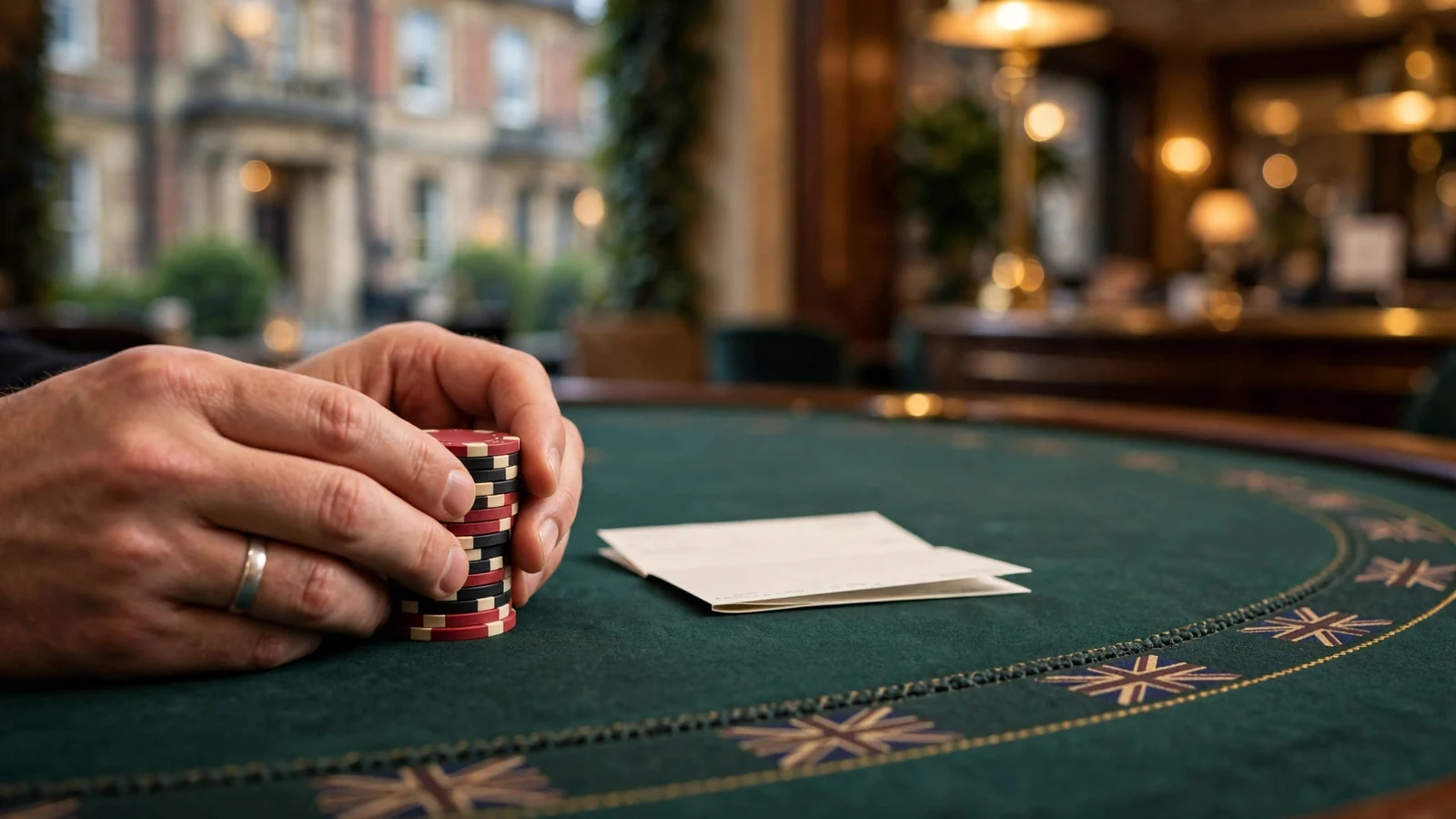

The social side also varies with the table. A live-dealer blackjack casino may offer chat, but the feature is not guaranteed across every game. Where it is available, the conversation may be with the dealer, other players, or both. It remains separate from the game’s formal process: the dealer conducts play, while chat provides a channel for interaction around it.
This is a modest distinction, not a change in the underlying product. A live blackjack casino brings human presentation to online play; it does not turn the table into a private conversation or make the dealer a personal adviser. The dealer’s role is to run the game, while the stream lets players follow that activity as it happens.
The same distinction applies to online live-dealer blackjack casinos as a category. The human element can make the setting feel less abstract than a screen of automated graphics, but atmosphere is not a financial feature. It should be assessed as part of the experience, separately from the game’s rules and the conditions attached to play.
A live dealer can make an online table feel more immediate and socially present. Chat may add another layer, but it remains optional and does not affect the hand. For a UK player choosing between live and digital blackjack, that is the central trade-off: human presence and possible interaction in place of a purely digital presentation.
Live Dealer Experience
- A live dealer provides a real-time video stream and human presence.
- Interaction via chat is an optional social element.
- The live format changes the presentation, not the game’s underlying rules or predictability.
Choosing a Blackjack Casino: Limits Before Labels
A blackjack table’s minimum stake is a practical filter, not a mark of quality. A table can look suitable on presentation alone and still sit outside a sensible spending plan once its entry limit is considered. Comparing the terms shown for the specific table is more useful than relying on a broad label such as “best” or “premium”.
Starting limits vary by table. A specialist review reports that many live roulette and baccarat tables begin at around 20p, while blackjack tables often have higher starting limits. That comparison should be treated as a report about table conditions, not a fixed rule for every casino or a permanent market standard. The displayed minimum for a particular blackjack table is the figure that matters when deciding whether it fits a budget.
Treat the minimum as a cost condition
The minimum stake sets the lowest amount that can be placed on a hand at that table. If that amount is already too high for the planned spend, other features do not repair the mismatch. A polished interface, a familiar brand or an appealing table description cannot make an unsuitable minimum more affordable.
A useful comparison starts by separating the intended spend from the table’s entry condition. The budget should be set before play and kept as the ceiling, rather than adjusted upward because a preferred table asks for more. Where several tables are available, their displayed minimums can be compared against that fixed ceiling. If none fits, the practical result is that none fits; changing the budget to accommodate a table reverses the calculation.
The minimum is not the total cost of a session. It is the floor for an individual bet, and repeated hands can use the available budget more quickly than the headline number suggests. A low minimum does not guarantee that a session will remain within budget, just as a higher one does not establish that a table is better. It only describes one condition of access.
Compare table terms, not broad labels
A casino’s general description may cover several tables with different conditions. The comparison therefore needs to be made at table level: identify the live blackjack table under consideration and read its displayed minimum before treating the casino as a suitable option. If the terms are not clear on the table page, the label alone does not resolve the uncertainty.
The same approach applies when comparing a number of online blackjack casinos. Record the minimum shown for each relevant table, then compare those figures with the spending limit already set. A simple comparison is more informative than an overall impression: one table may be financially accessible, another may not be, even where both are presented as part of a similar live offering.
A minimum should also be read as a current condition, not assumed to apply across every table or to remain unchanged indefinitely. The relevant figure is the one displayed for the table at the point of consideration. General claims about what blackjack tables “normally” cost can obscure that distinction; a specific table condition is more useful than a generalisation.
Keep the decision narrow
The word “best” has little practical meaning without a criterion. For a player comparing live blackjack, affordability can be one clear criterion: whether the table’s minimum is compatible with a pre-set budget. That does not establish that the table is best overall, and it does not predict the result of play. It answers the smaller, measurable question of whether its entry condition fits.
- Set a fixed budget before playing
- Compare the table’s minimum stake against your budget
- Use the minimum stake as a practical affordability filter
- Adjust your budget upward to fit a preferred table
- Rely on broad labels like “best” or “premium” for affordability
- Use a low minimum stake as a reason to increase planned spending
Other qualities should not be used to distract from a failed affordability check. If the minimum exceeds the planned stake, a claim about atmosphere or presentation does not change the arithmetic. Conversely, a low minimum is not a reason to increase the planned spend. The budget remains the controlling figure; the table is assessed against it.
This is a deliberately limited basis for comparison. It does not rank operators or turn one reported comparison between blackjack, roulette and baccarat into a universal pricing rule. It gives the minimum stake its proper role: a condition to verify before choosing a table, not a badge of quality and not permission to spend more.
The resulting choice may be straightforward. A table whose minimum falls within the planned budget can remain under consideration; one whose minimum does not fit can be set aside. No label needs to carry more weight than that. This content is for entertainment purposes only and is not gambling advice.
Blackjack Casino Sites: Licensing and the Live Setup
For blackjack casino sites serving the UK, the first distinction is between a live-dealer table and a digital game that generates results without a human dealer on screen. Live blackjack is broadcast from a studio in real time. A human dealer runs the table, while the player submits bets through controls displayed alongside the stream. The screen combines a video feed with an interface for taking part; it is not simply a recording of a casino game.
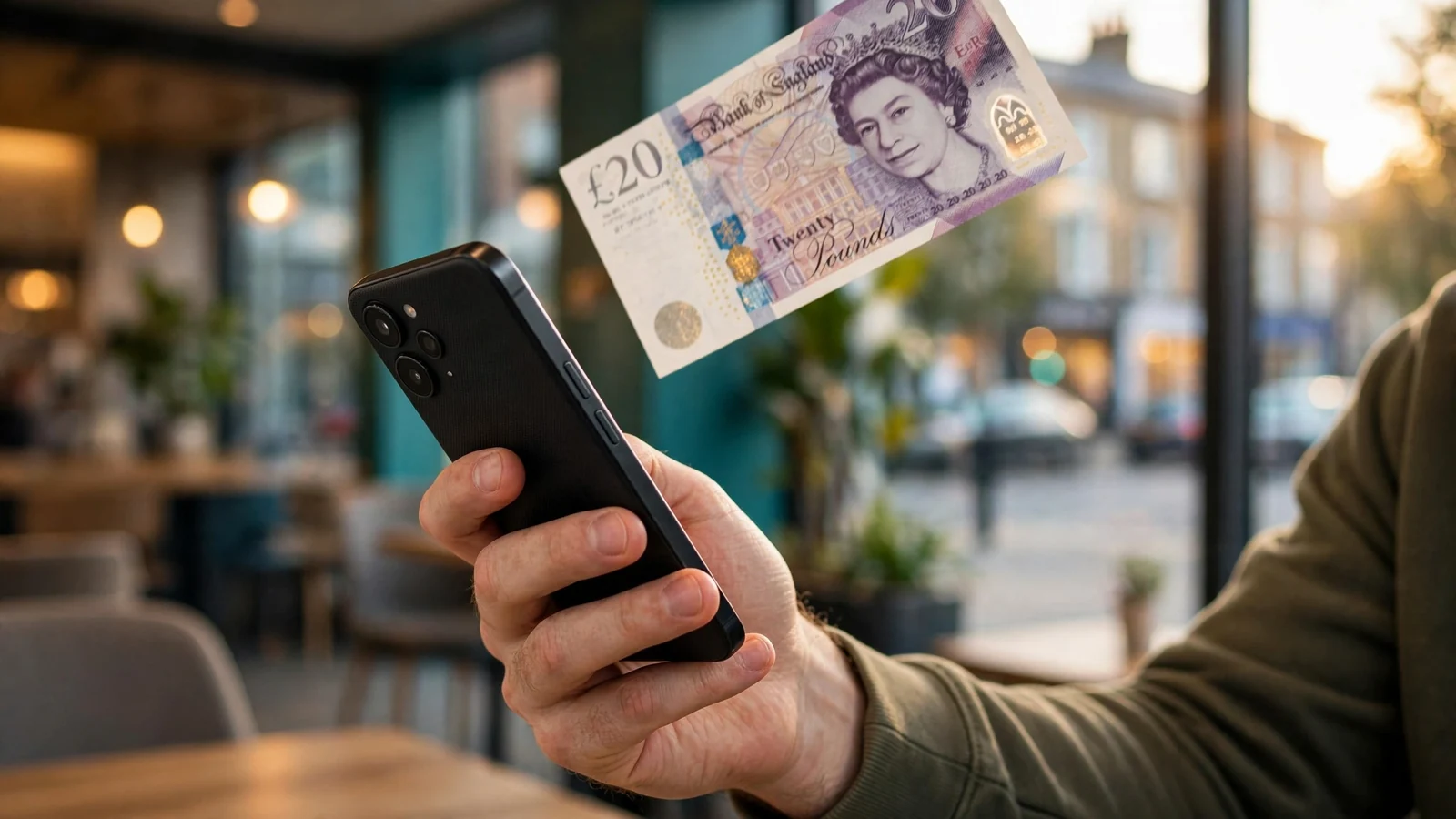
The legal condition is separate from that presentation. A live-dealer casino may operate legally in the UK only if it holds a licence from the UK Gambling Commission. Remote operators offering gambling to customers in Great Britain are required to hold the relevant Commission licence, whether the operator is based in Britain or elsewhere. A studio location, a familiar-looking website or a live video feed does not replace that requirement.
That distinction matters when assessing blackjack casino sites in the UK. A polished stream describes how the game is delivered, not the operator’s legal status. Equally, a licence is a regulatory condition for legal operation, not a claim that every feature, table or commercial term is identical between sites. The licence and the live setup answer different questions and should not be treated as substitutes for one another.
In practical terms, the live setup joins two systems. The studio provides the real-time game and dealer, while the website or app presents the betting interface through which a player participates. The actions on screen and the events in the stream are part of the same live session, rather than a pre-recorded sequence. This format is why the game is described as live dealer blackjack: the dealer and table are visible as play unfolds, but bets are entered digitally.
The interface is also the point at which the game is accessed. It allows a player to submit a stake and follow the current round without handling cards or chips in the studio. The stream supplies the visual account of the table; the on-screen controls supply the means of placing bets. Neither element changes the licensing condition. A technically convincing broadcast does not establish that the operator is authorised to serve the British market.
Licensing and Setup
- Verify the operator holds a current UK Gambling Commission licence
- Confirm the game is delivered via a real-time studio stream
- Ensure the betting interface is functional and accessible
Descriptions such as “best blackjack casino site” or “top online blackjack casinos” cannot be settled by the stream alone. A live table is a delivery format, not evidence of a ranking. For a site to be a legal option for UK players, the relevant baseline is a current UK Gambling Commission operating licence. Any comparison beyond that requires separate attention to the particular site and its terms; the presence of a dealer on camera is not a useful proxy.
The distinction can be reduced to two checks: whether the operator holds the licence required to offer live-dealer gambling in the UK, and whether the table is delivered through a real-time studio stream with bets placed through an on-screen interface. The first concerns legal authority; the second explains the operating arrangement. Conflating them turns a visible feature into a regulatory conclusion, which it is not.
Playing Online: Pace, Connection and Table Conditions
A live blackjack session has a different operating rhythm from a digital game. With live play, each hand takes place through a real-time stream, so the next decision depends on the table’s progress rather than an instant software prompt. The pace is slower. That is a practical condition, not a flaw: it changes how quickly a balance can be put into play and how much time a session occupies.
A stable internet connection matters throughout. The stream and the on-screen betting interface need to remain usable together; interruptions can make it harder to follow the action or place a decision in time. A connection that works for browsing may still be unreliable under changing network conditions, so live play is less suited to a setting where the signal drops in and out. Digital blackjack does not depend on a video stream in the same way.
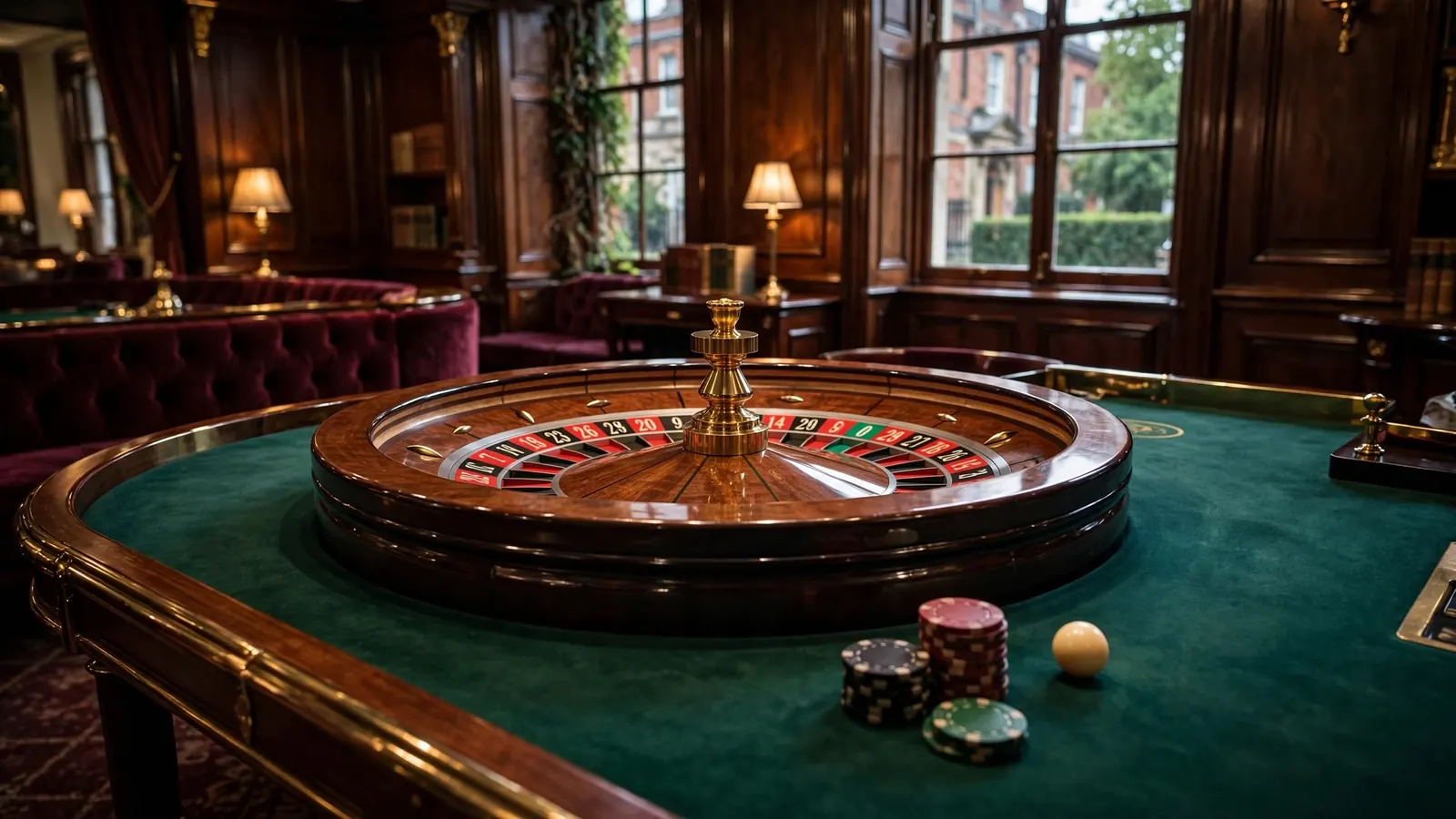
Table entry costs also affect the calculation. A specialist review reports that some live roulette and baccarat tables have starting stakes of 20p, while blackjack tables can begin at higher levels. That is a source-specific comparison, not a fixed rule for every casino or table. The listed minimum should therefore be treated as a table condition to verify, rather than inferred from another live game’s entry point.
The practical budget is shaped by that minimum and by the slower pace. A higher starting stake can make each hand a larger commitment, while the live format allows fewer hands to pass in the same period than a digital version. Those features do not establish that a session will cost more overall; the total depends on the stakes chosen and how long play continues. They do mean that a budget set without regard to table limits is incomplete.
Before a session, the table’s rules and paytable should be reviewed, along with its minimum stake. The available balance should be set as a firm entertainment budget, not as a target to recover after losses. A stable connection and a suitable table limit are operating requirements; neither changes the game’s financial risk.
For anyone looking to play blackjack online, the choice between live and digital play is therefore partly a choice of pace and access conditions. Live play offers a streamed table, but it requires a dependable connection and may have a higher entry point. If either condition does not fit the intended session, the table is a poor match regardless of its presentation.
Live blackjack is less suited to environments with unstable internet connections due to its dependence on a real-time video stream.
Blackjack Bonuses: Wagering Weighting Before the Headline
A blackjack casino bonus is worth assessing by its usable value, not its headline amount. The key term is game weighting: the share of eligible play that counts towards the bonus wagering requirement. Live games may contribute only a small share. A specialist review reports a 10% weighting as an example, but that figure should not be treated as a standard across UK casinos. The terms attached to the particular offer determine the calculation.
At that weighting, only a fraction of eligible live blackjack stakes is credited towards the requirement. The balance does not disappear, but progress can be much slower than a headline bonus suggests. A bonus that appears substantial may therefore have limited practical value for someone intending to play mainly at live tables. The relevant comparison is between the amount offered, the wagering requirement and the contribution assigned to blackjack.
A further constraint concerns the form of the offer. A specialist review describes most UK welcome offers as free spins on slots; those spins cannot be used at live tables. That distinction matters more than the label “casino bonus”: a slot promotion does not become a blackjack promotion simply because it is advertised by a casino that also offers live blackjack.
For a blackjack casino bonus offer, the terms should establish whether live blackjack is eligible, what weighting applies and whether any maximum-bet condition limits play while the bonus is active. Wagering requirements, game weighting and maximum bet limits should all be checked before opting in. If the offer excludes live tables, or gives them negligible contribution, its headline value has no direct use at the blackjack table.
The same test applies to a no-deposit bonus. The wording alone does not establish that the offer can be used on blackjack, nor that live play will count towards any requirement. Eligibility and weighting must be confirmed in the offer terms; without those details, the bonus cannot be assigned a reliable blackjack value.

In practical terms, the calculation is simple even when the conditions are not: identify which games qualify, apply the stated weighting, then compare the resulting progress with the requirement. A promotion designed around slot play may be attractive on its own terms, but it is not a live blackjack benefit unless its rules explicitly make it one.
Casinos with Blackjack: Confirm the Live Table Is Available
A casino that offers blackjack may not offer the live-dealer version. The label can refer to a digital game, a live table, or both, so the game category alone does not establish which format is available. For a live blackjack casino site, the relevant point is whether a live table is actually offered, rather than whether blackjack appears somewhere in the game catalogue.
The distinction matters because live dealer play is a specific service, not a synonym for every online blackjack game. A site may have blackjack without a live table, while a live table may be presented in a separate section of its casino. Availability can also change, so a general description of a site is not proof that the live option is currently listed.
In the UK, live-dealer casinos are legal when they hold a licence from the UK Gambling Commission. That condition applies to the operator providing the live casino service; a blackjack label by itself says nothing about licensing. The UKGC licence is therefore the legal threshold for a casino offering live blackjack to players in the market.
The practical meaning of “casino with blackjack” is consequently narrower when the intended format is live: the site must offer a live blackjack table, and its operator must meet the UK licensing condition. Neither a broad casino category nor a generic blackjack listing confirms both points.
A live table is still gambling, not a source of income. This page is for entertainment purposes only and is not gambling advice. Any decision to play should sit within a fixed budget; losses should not be pursued beyond that limit.
Is the house edge the same at live dealer casinos online?
No. It varies by game and bet: in roulette, straight-up bets have a 2.9% house edge, while other bets have a 2.7% edge.
How do you choose a live dealer casino?
Choose a UK casino that holds a UK Gambling Commission licence, and check the table rules, paytable and minimum bet before playing. Live games also need a stable internet connection.
What are the different types of roulette you can play with a live dealer?
Live roulette includes European, American and French versions. American Roulette has 0 and 00, while European Roulette has a single 0; in French Roulette, an even-money bet loses only half when the ball lands on zero.
How do you play live roulette?
Place your bet through the on-screen interface, then watch the dealer spin a physical wheel. You win if the ball lands on a number you selected.
How does the house edge change between games?
In roulette, straight-up bets have a 2.9% house edge, compared with 2.7% for other bets. French Roulette also reduces the loss on an even-money bet when the ball lands on zero.
Created by the ”Winstler Casino” editorial team.